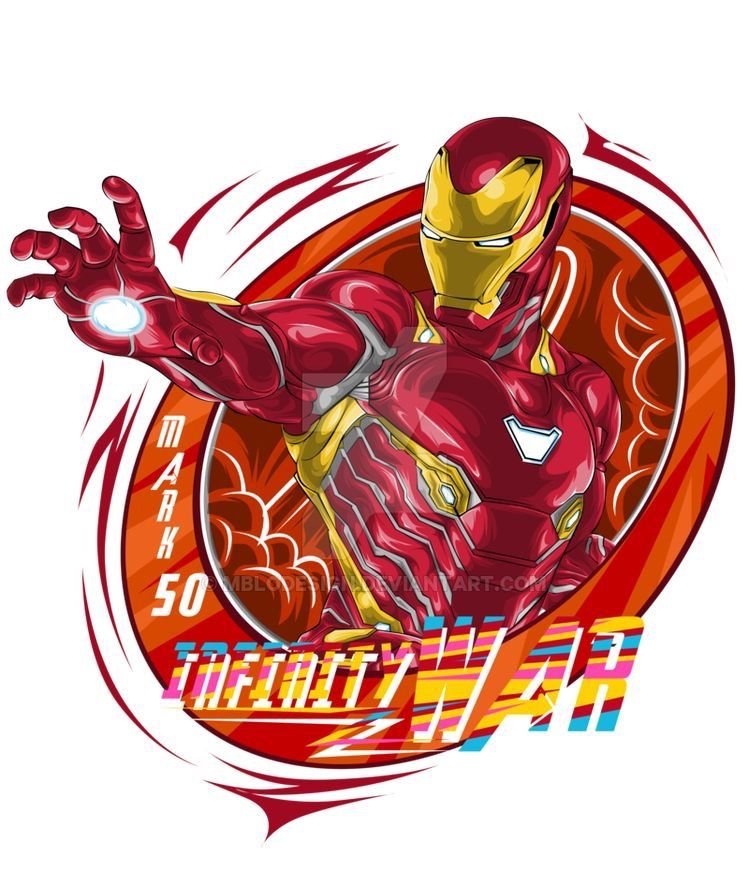
From his first triumphant flight in a makeshift suit to his poignant final snap, Iron Man has captivated imaginations worldwide. More than just a superhero, Tony Stark represents the pinnacle of human ingenuity, resilience, and complex heroism. It's no wonder, then, that the world of Iron Man Fan Art & Illustrations explodes with creativity, offering a boundless canvas for artists to explore, reimagine, and pay homage to the Armored Avenger.
But what makes Iron Man such an enduring muse? How do artists translate his metallic sheen, advanced tech, and very human heart into compelling visuals? And if you're an aspiring artist or just a dedicated fan, how can you dive deeper into this vibrant community or even create your own stunning tributes?
This guide cuts through the noise to deliver a definitive look at the phenomenon of Iron Man fan art, offering insights, inspiration, and practical advice for both creators and connoisseurs.
At a Glance: What You'll Discover
- Why Iron Man Resonates: Unpack the core elements that make Tony Stark and his alter ego a powerhouse of artistic inspiration.
- A Spectrum of Styles: Explore the incredible diversity in mediums and artistic approaches used in fan art.
- Fueling Your Creativity: Practical ideas and prompts to kickstart your own Iron Man artistic journey.
- Connecting with the Community: Where to find, share, and engage with fellow enthusiasts and artists online.
- From Concept to Canvas: A step-by-step walkthrough for creating and showcasing your Iron Man artwork.
- Navigating Challenges: Tips for overcoming common hurdles and understanding the nuances of fan art.
The Enduring Allure: Why Iron Man Captivates Artists
The magic of Iron Man as an artistic subject lies in a powerful confluence of iconic design, technological marvel, and profound character depth. Artists aren't just drawing a robot; they're interpreting a multifaceted legend.
The Iconography of the Armored Avenger
Iron Man's suits are more than just armor; they're extensions of Tony Stark himself. Each iteration, from the clunky Mark I to the sleek nanotech suits, carries a distinct personality and visual language. This evolution provides a rich tapestry for artists. Think about the stark contrast between the raw, utilitarian aesthetic of his early suits and the fluid, almost organic lines of his later designs. This visual journey alone offers endless narrative possibilities.
Beyond the Metal: Tony Stark's Humanity
Beneath the gleaming repulsor rays and advanced weaponry beats a very human heart. Tony Stark's journey – his triumphs, failures, arrogance, selflessness, and eventual sacrifice – provides a powerful emotional core. Artists often gravitate towards capturing this duality: the powerful, invincible hero juxtaposed with the vulnerable, witty, and ultimately fragile man inside. It's this blend of spectacle and soul that makes his story so compelling to translate into art.
The Playground of Technology and Imagination
Tony Stark is a futurist, and his inventions are a boundless source of inspiration. Arc reactors, JARVIS/FRIDAY, the holographic interfaces, the specialized armors for every conceivable scenario – these elements invite artists to explore their own technological fantasies. Whether it's meticulously detailing a suit's internal mechanics or imagining new gadgets, the science-fiction aspect of Iron Man offers a unique sandbox for creativity.
A Universe of Artistic Interpretation: Styles and Mediums
The phrase "Iron Man Fan Art & Illustrations" might conjure images of comic-book-style drawings, but the reality is far more expansive. Artists employ a dazzling array of techniques and tools to bring their interpretations to life.
Traditional Canvases: Hand-Drawn and Painted Wonders
Before digital tools dominated, artists honed their craft with classic methods. These techniques still hold immense power and appeal today:
- Pencil and Ink: The foundational elements of comic art. Artists use graphite pencils for initial sketches, then define lines with inks, often adding cross-hatching or stippling for texture and shading. The raw energy of a pencil sketch or the crispness of a clean ink drawing can be incredibly impactful.
- Watercolor: Offers a softer, more ethereal quality, allowing for vibrant washes and subtle blends to depict the reflective surfaces of the armor or dynamic energy effects.
- Acrylic and Oil Painting: Provide depth, texture, and rich color. These mediums can render the metallic sheen with stunning realism or abstract the form into a powerful, expressive piece.
- Pastels and Charcoal: Excellent for capturing mood and atmosphere, focusing on light, shadow, and texture without the hard lines often associated with comic art.
Digital Frontiers: Unlocking New Possibilities
The advent of digital art tools has revolutionized fan art, opening doors to efficiency, experimentation, and stunning visual effects.
- Digital Painting (Photoshop, Procreate, Clip Studio Paint): These programs allow artists to mimic traditional media with unparalleled flexibility. Layers, custom brushes, and an endless palette make it possible to create highly detailed, polished illustrations, from photorealistic renders to stylized interpretations.
- Vector Art (Illustrator, Affinity Designer): Focuses on clean lines, sharp shapes, and scalable graphics. This style is often used for minimalist interpretations, logos, or sleek graphic designs of Iron Man's helmet or full suit.
- 3D Modeling (Blender, ZBrush, Maya): For artists seeking to bring Iron Man into three dimensions, software allows for sculpting, texturing, and rendering hyper-realistic models or stylized figures. These models can then be posed, lit, and used as references for 2D art or even 3D printing.
- Animation and Motion Graphics: Some artists take it a step further, creating short animated clips, GIFs, or motion graphic sequences that bring Iron Man's dynamic movements and tech to life.
Beyond the Screen: Sculptures, Cosplay, and More
Fan art isn't confined to two dimensions. The passion for Iron Man extends into tangible, physical creations:
- Sculptures and Figurines: Artists craft miniature or life-sized representations of Iron Man, often exploring different poses, materials (from clay to resin), and levels of detail.
- Cosplay Suits: Perhaps the ultimate form of physical fan art, intricate Iron Man cosplay involves not just crafting the armor but embodying the character, often incorporating lights, sound effects, and even animatronics.
- Customization: Fans might paint custom figures, shoes, or even household items with Iron Man motifs, turning everyday objects into unique pieces of art.
Finding Your Muse: Ideas for Your Own Iron Man Creations
Feeling inspired to create your own piece of Iron Man fan art? The sheer volume of existing work can be overwhelming, but a few starting points can help you hone your vision.
Deconstructing the Classics: Iconic Suits and Moments
Sometimes the best place to start is with what you love most.
- Favorite Suit Design: Pick an armor iteration that resonates with you – the classic Mark IV, the powerful Hulkbuster, or perhaps a deep-cut comic book variant. Focus on its unique features and details.
- Iconic Stance or Pose: Recreate a memorable stance from a comic cover or movie scene, adding your own flair to the lighting, background, or subtle character expression.
- Key Story Moments: Illustrate a pivotal scene – Tony building his first arc reactor, the "I am Iron Man" reveal, or a dramatic battle sequence. What emotion or narrative do you want to convey?
What-If Scenarios and Alternate Universes (AU)
This is where true imaginative freedom comes alive. What if Iron Man existed in a different time or genre?
- Steampunk Iron Man: Imagine a Victorian-era Tony Stark, building a steam-powered suit.
- Fantasy Iron Man: Perhaps a knight in enchanted armor, powered by magic instead of tech.
- Cyberpunk Iron Man: A grittier, neon-lit version of the hero in a dystopian future.
- Historical Setting: Iron Man during WWII, or even ancient Rome!
- Gender-Swapped/Different Ethnicity: Reimagine Tony Stark with different personal characteristics, exploring how that might influence his suit and story.
Cross-Overs and Team-Ups
How would Iron Man interact with characters from other fictional universes?
- Iron Man Meets Star Wars: A lightsaber-wielding Iron Man, or a suit inspired by a Star Destroyer.
- Iron Man in Westeros: What if he landed in Game of Thrones?
- Team-up with Batman: Exploring the dynamic between two genius billionaires, but with vastly different approaches to crime-fighting.
- Marvel What-Ifs: Team him up with unexpected Marvel characters, or have him wear someone else's uniform.
Focusing on Detail: Tech, Armor, and Repulsors
Sometimes, a smaller scope allows for greater depth.
- Helmet Close-Up: Focus purely on the helmet, capturing its reflections, battle damage, or the glowing eyes.
- Arc Reactor: Illustrate the pulsating heart of the suit, perhaps with intricate internal wiring visible.
- Repulsor Blast: Depict the energy emanating from his hands, exploring light, color, and motion.
- Battle Damage: Show a suit after a fierce fight, with dents, scorch marks, and exposed circuitry telling a story.
Emotional Depth: Capturing Tony's Journey
Beyond the hardware, explore the man.
- Tony's Inner Turmoil: A contemplative Tony, perhaps unmasked, dealing with the weight of his responsibilities.
- Moments of Joy/Humor: A lighter side of Tony, perhaps cracking a sarcastic remark or celebrating a small victory.
- Mentor/Father Figure: Tony interacting with Peter Parker (Spider-Man), highlighting his growth as a character.
Before you even pick up a pencil or stylus, immersing yourself in the existing visual tapestry of Iron Man is key. Explore official concept art, comic book panels, movie stills, and of course, a wealth of fan interpretations. A comprehensive gallery of various Iron Man pictures can provide a fantastic starting point, offering different suit designs, action poses, and character expressions to spark your imagination.
Navigating the Fan Art Ecosystem: Platforms and Communities
Once you've created your Iron Man masterpiece, where do you share it? And where can you find more incredible art and connect with fellow fans? The online world is brimming with communities dedicated to showcasing creativity.
Top Online Hubs for Fan Art
These platforms are essential for discovering new art, gaining inspiration, and getting your work seen.
- DeviantArt: One of the oldest and largest online art communities, DeviantArt has a massive tag for
ironmanfanart. It's a great place to see a vast range of styles, from professional-level digital paintings to enthusiastic traditional sketches. You can sort by "most recent" to see the latest trends or "most popular" to find established works. - ArtStation: Often considered a more professional-oriented platform, ArtStation is home to stunning, high-quality digital paintings, 3D renders, and concept art. Many industry artists share their fan art here, offering a high bar for inspiration.
- Pinterest: A fantastic visual discovery engine. Searching for "Iron Man fan art ideas" on Pinterest will yield a treasure trove of images, styles, and concepts. It's excellent for mood boards and collecting inspiration.
- Instagram: A highly visual platform, Instagram is popular among artists for sharing their work with hashtags like #ironmanfanart, #tonystark, and #marvelart. It's great for quick updates, process videos, and reaching a broad audience.
- Reddit (r/marvelstudios, r/comicbooks, r/fanart): These subreddits have active communities where fans share and discuss art. They can be a great place for feedback and engagement, though they are less art-specific than the others.
- Tumblr: Still a vibrant hub for fandoms, Tumblr offers a more community-driven space for sharing art, reblogging, and engaging in discussions around themes and characters.
Connecting with the Community
Don't just post and leave! Engagement is key to the fan art experience.
- Leave Thoughtful Comments: When you admire another artist's work, tell them why you like it. Specific feedback is always more valuable and fosters connection.
- Ask for Constructive Criticism: If you're looking to improve, don't be afraid to ask for feedback on your own pieces. Be open to different perspectives.
- Participate in Challenges: Many communities or individual artists host art challenges (e.g., Inktober, specific character challenges). These are excellent for pushing your skills and getting your work seen.
- Follow Artists You Admire: Support creators by following, liking, and sharing their work (with proper credit).
Respecting Copyright and Fair Use (A Quick Note)
When creating fan art, you're generally working within the realm of "fair use" as a transformative work for non-commercial purposes. However, if you intend to sell prints or merchandise, the legal landscape becomes more complex. While many companies (like Marvel/Disney) often tolerate fan art sales on a small scale, larger commercial ventures can lead to legal issues. Always be aware of the intellectual property you're drawing from. For personal enjoyment and sharing within fan communities, it's generally accepted.
From Sketch to Showcase: Your Artistic Journey
Ready to dive in and create your own piece? Here’s a streamlined approach to bringing your Iron Man vision to life.
1. Brainstorm Your Concept
Start with an idea. Will it be a dynamic action shot, a contemplative portrait of Tony, a humorous take, or a detailed suit showcase? Consider the core message or emotion you want to convey.
- Ask yourself: What aspect of Iron Man truly inspires me right now? Is it his heroism, his tech, his flaws, or his journey?
- Keywords: Jot down keywords like "Mark 85 flying," "Tony Stark workshop," "Hulkbuster vs. Hulk," "Iron Man battle damage."
2. Gather References
Even the most imaginative artists use references. This isn't cheating; it's a crucial step for accuracy and anatomical correctness.
- Official Sources: Comic panels, movie stills, concept art.
- Real-World References: Photos of metal, reflections, explosions, human anatomy, specific poses.
- Other Fan Art: Not to copy, but to understand different approaches to composition, lighting, and style.
- Your own library: Leverage a diverse set of Iron Man pictures to inform details, suit iterations, and classic poses.
3. Choose Your Medium
Decide whether you'll work traditionally or digitally. Each has its pros and cons, and your choice might influence your style.
- Traditional: Requires physical materials (paper, pencils, paints). Offers a tactile experience and unique textures.
- Digital: Requires software and a tablet. Offers undo functions, layers, and endless creative possibilities without material costs.
4. The Creation Process: Bringing It to Life
This is where the magic happens, typically in stages:
- Thumbnail Sketches: Start with small, quick, rough drawings to explore different compositions and poses. Don't worry about detail here; focus on silhouette and flow.
- Rough Sketch/Line Art: Once you have a composition you like, refine your sketch. Establish the main forms, anatomy, and suit details. For digital artists, this is your initial "underpainting" layer.
- Inking/Clean Line Art: Go over your refined sketch with clean, confident lines. In digital art, this often means a new layer for crisp linework.
- Flat Colors: Lay down the base colors for each section of your drawing. Keep them separate and clean.
- Shading and Lighting: This is critical for making Iron Man's metallic form pop. Think about where your light source is and how it would reflect off shiny surfaces. Add shadows to create depth and volume.
- Details and Effects: Add the finer points – battle damage, glowing arc reactor and repulsors, intricate panel lines, energy effects, textures on the metal.
- Background: Integrate your Iron Man into an environment that enhances the narrative or mood.
- Final Touches: Adjust colors, contrast, and sharpness. Add subtle highlights or atmospheric effects.
5. Sharing Your Work
Once you're satisfied, share it with the world!
- High-Quality Scans/Photos: If traditional, ensure your artwork is well-lit and photographed or scanned at a high resolution.
- Watermark: Consider adding a subtle watermark to protect your work, especially if you share on public platforms.
- Platform Choice: Upload to the platforms mentioned above (DeviantArt, ArtStation, Instagram, etc.).
- Use Relevant Hashtags: Crucial for discoverability (e.g., #ironmanfanart #tonystark #marvelart #digitalart #traditionalart #comicart).
- Engage: Respond to comments and feedback, and reciprocate by supporting other artists.
Common Pitfalls and How to Avoid Them
Even seasoned artists face challenges. Here are a few common stumbling blocks in fan art and how to navigate them.
Over-Reliance on Reference or Tracing
While references are vital, directly tracing or copying another artist's work stifles your own growth and is disrespectful. Use references to understand anatomy, perspective, and form, then apply that knowledge to your unique interpretation. The goal is inspiration, not replication.
Ignoring Artistic Fundamentals
Excitement for the character can sometimes lead artists to overlook foundational skills. Even with a character in armor, understanding human anatomy, perspective, lighting, and color theory is crucial. A poorly drawn figure in a cool suit still looks poorly drawn. Dedicate time to studying these fundamentals, even if it feels less exciting than drawing the finished product.
Getting Bogged Down by Perfectionism
The blank page can be intimidating, and the desire for a perfect outcome can paralyze creativity. Remember that every artist, even the masters, creates "bad" drawings. Embrace the learning process, allow for mistakes, and focus on finishing pieces rather than making every single one flawless. The next one will be better.
Lack of Originality in Concept
With a character as popular as Iron Man, it's easy to fall into cliché. While iconic poses are fun, challenge yourself to think differently. What new story can you tell? What unique perspective can you offer? Even a subtle change in expression or environment can breathe fresh life into a familiar character.
Fear of Sharing Your Work
Many artists, especially beginners, hesitate to share their art for fear of criticism. The fan art community is generally supportive, and constructive feedback is invaluable for growth. Put your work out there, be open to feedback, and remember that everyone started somewhere. Your art has a place in the world.
The Enduring Legacy of Iron Man in Art
The universe of Iron Man Fan Art & Illustrations is more than just a collection of drawings; it's a living testament to the power of storytelling and the universal appeal of a complex hero. It's a space where artists can hone their skills, experiment with new ideas, and connect with a global community united by a shared passion. Through these countless creative interpretations, Tony Stark's legacy continues to evolve, inspiring new generations of fans and artists alike.
Ready to Create Your Own Masterpiece?
The tools and inspiration are all around you. Whether you're a seasoned professional looking for a new challenge or just picking up a pencil for the first time, Iron Man offers a boundless world of creative possibilities. Don't wait for inspiration to strike; pick up your chosen medium, find a quiet moment, and start sketching. Your unique vision of the Armored Avenger is waiting to be shared.