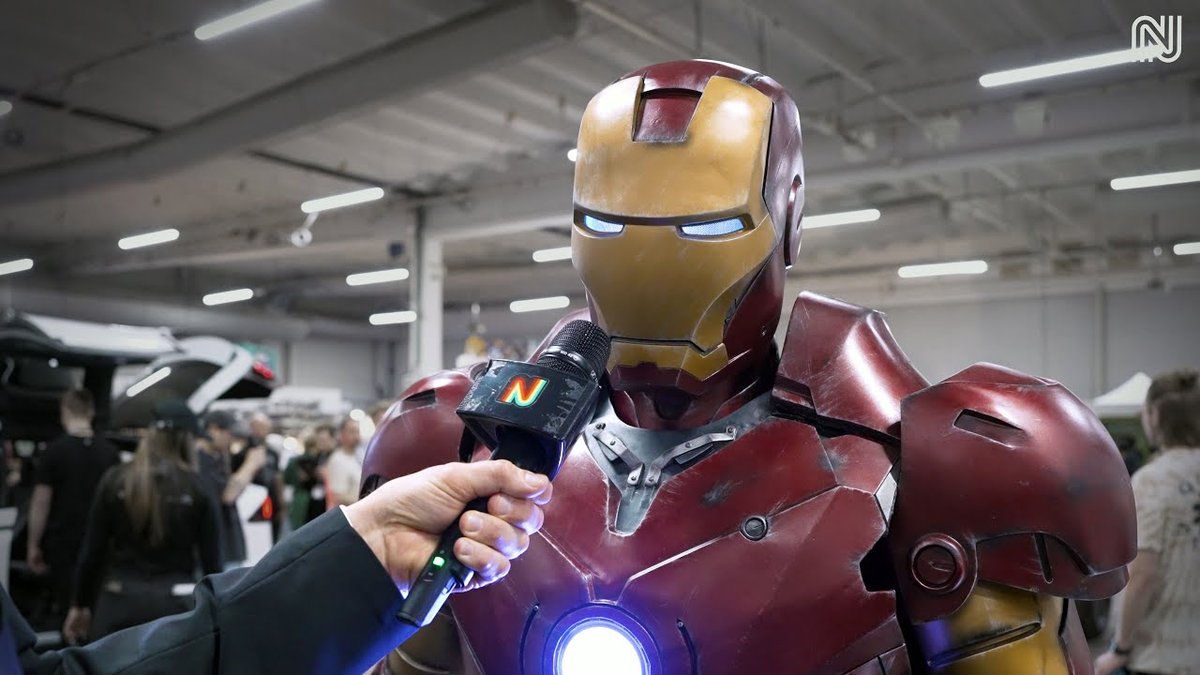
The gleaming chrome, the powerful stance, the arc reactor pulsating with energy – few characters command attention quite like Iron Man. Capturing the essence of this Marvel icon through cosplay photography isn't just about snapping a picture; it's about translating the genius of Tony Stark, the might of his suit, and the awe-inspiring presence of a true superhero into a visual masterpiece. Whether you've spent months meticulously crafting your own suit or you're a photographer looking to elevate your next cosplay shoot, mastering Iron Man Cosplay Photography & Ideas is key to bringing that comic book magic to life.
This guide isn't just theory; it's your blueprint for epic Iron Man photos. We'll dive into what makes Tony Stark tick, how these incredible suits come together, and most importantly, how to photograph them in ways that truly tell a story.
At a Glance: Your Mission Briefing for Epic Iron Man Shots
- Understand the Character: Tony Stark's origin story, wit, and suit capabilities (flight, strength, energy) are your creative wellspring.
- Suit Up Smart: Cosplays range from basic EVA foam builds and advanced motorized suits to precise 3D prints (Marks, Hulkbuster) – each dictates photographic approaches.
- Gear Up Right: A good camera, versatile lenses, and external lighting (strobes, LEDs) are your essential tools for impactful shots.
- Light it Up: Master dramatic lighting to emphasize the suit's metallic sheen, glowing arc reactor, and repulsor blasts.
- Pose with Purpose: Guide cosplayers into heroic, dynamic, and character-defining poses.
- Post-Process with Power: Utilize color grading, VFX, and compositing to add energy blasts, flight effects, and polish.
- Location Matters: Urban environments, industrial sites, tech labs, or even natural landscapes can enhance the narrative.
The Man in the Suit: Tony Stark's Legacy & Why He Endures
Before we aim our lenses, let's briefly ground ourselves in the legend. Tony Stark, the brilliant, billionaire playboy philanthropist, inherited Stark Industries at 21, becoming a major US government weapons supplier. His defining moment came after a shrapnel injury in his chest and subsequent captivity in Southeast Asia. Forced to create a weapon, he instead designed his first Iron Man prototype – a suit to save his life and facilitate escape, powered by a device similar to a pacemaker. Freed, Stark dedicated his resources to building increasingly advanced suits, officially becoming Iron Man.
His suits aren't just metal; they're extensions of his genius, granting him capabilities like flight, superhuman strength, and devastating energy projection. This combination of raw power and Stark's witty, often arrogant, but ultimately heroic personality has cemented Iron Man as one of the Marvel Universe's most popular and powerful heroes, especially within the MCU. This rich backstory and the suit's iconic capabilities offer endless inspiration for dynamic photography.
Crafting Your Armor: A Quick Look at Iron Man Cosplay Construction
The journey to an epic Iron Man photo often begins long before the shoot, in the workshop where the suit is painstakingly built. Understanding the different construction methods helps photographers appreciate the craftsmanship and inform their approach.
From Foam to Fiber: DIY & Advanced Builds
Many cosplayers start with accessible DIY methods. Apps like Pepakura provide detailed 3D patterns that can be printed and transferred onto materials like EVA foam or cardboard. With basic tools – pencils, tape measures, scissors, hot silicone glue, and often a vibrant yellow or gold paint finish – impressive suits can emerge. These builds are lightweight and offer a good base for beginners.
More advanced DIYers take these patterns as molds, layering fiberglass for greater durability and detail. This opens the door to incorporating complex electronics: intricate wiring, custom programming, LED lights for the arc reactor and repulsors, and even motorized elements in helmets or arm gauntlets. These fully motorized suits with integrated lighting are engineering marvels that practically demand dynamic photography to show off their features.
The 3D Printed Revolution: Precision & Detail
For many, 3D printing has become the go-to method for creating hyper-accurate Iron Man suits and components like intricate gloves, detailed helmets, and glowing arc reactors. This method allows for incredible precision, replicating the various "Marks" (e.g., MK2, MK3, MK6, MK45, MK46, Prime 51), the imposing Hulkbuster armor, or even designs from Armored Adventures Iron Man.
The world of 3D printing for Iron Man cosplay is vast. Enthusiasts often rely on specific materials and tools:
- Filaments: Silk filaments from @overture3dfilament provide a smooth, metallic sheen, while ASA filament from @polymaker_3d offers durability. Brands like @elegoo also supply quality materials.
- 3D Printers: High-performance models like the @bambulab_official A1 and X1C are popular choices for their speed and print quality.
- Electronics & PCBs: Custom circuitry for lighting and movement often comes from specialists like @pcbway and @pcbway3d.
- STL Files & Designs: The blueprints for these suits are found from designers such as @do3d_com, @walsh3d (@wf3d.shop), @levy3d, @johan3dprintmaster, and @neon.robotnick.
- Assistance: For those needing help with complex production, companies like @saturdaymorningprops offer professional suit fabrication services.
Stepping Out as Tony Stark: Everyday Cosplay
Beyond the full suit, don't overlook the "everyday Tony Stark" cosplay. This typically involves a sharp, standard black business suit, his signature red-tinted sunglasses, slicked-back or spiky hair, and the iconic goatee. This look offers a different, more grounded storytelling opportunity, perfect for emphasizing the genius behind the armor.
Beyond the Build: Mastering Iron Man Cosplay Photography
Now that we understand the intricate builds, let's focus on capturing their grandeur. This isn't just about good lighting; it's about channeling the essence of Iron Man.
The Vision: Defining Your Shot's Story
Every great photo tells a story. With Iron Man, your story can be one of power, vulnerability, genius, or defiance.
Understanding the Character: Heroics, Swagger, Vulnerability
- Heroic: Focus on power poses, flight, repulsor blasts. Emphasize strength and readiness for battle.
- Swagger: Tony Stark is confident, even arrogant. Capture poses that show off the suit, a casual lean, or a "walk away from the explosion" vibe.
- Vulnerability/Humanity: Even Iron Man has moments of reflection or damage. A cracked helmet, a suit powered down, or Stark visible through an open faceplate can add depth.
- Genius: Highlight the tech. Close-ups of the arc reactor, gauntlet details, or a pose suggesting calculation.
Choosing Your Mark: Different Suits, Different Vibes
Each Iron Man Mark has a distinct aesthetic. The sleek, classic red-and-gold MK3 offers timeless heroism, while the bulkier Hulkbuster demands shots emphasizing immense scale and power. The nano-tech suits from later films (like MK50/50+) open up possibilities for dynamic shapeshifting effects in post-production. Understand the unique features of the specific suit you're photographing and tailor your story to it.
Location, Location, Location: Setting the Scene
The backdrop is crucial for creating context and mood.
- Urban Environments: City rooftops, bustling streets, underpasses. These evoke a classic superhero setting where Iron Man defends the populace.
- Industrial Sites: Warehouses, abandoned factories, power plants. The metallic, gritty textures complement the suit and suggest a place of invention or conflict.
- High-Tech Labs/Workshops: Recreate Stark's lab. This works especially well for "Tony Stark" shots or showing the suit in a maintenance/development phase. Use practical effects like smoke or focused light to enhance the "lab" feel.
- Natural Landscapes: Deserts, mountains, open fields (especially for flight shots). A dramatic natural backdrop can contrast beautifully with the high-tech suit, emphasizing its alien presence or the scale of its power.
Consider scouting locations in advance to plan your shots and anticipate lighting conditions.
The Shoot: Gear & Setup for Success
You've got your vision; now let's get tactical.
Essential Photography Gear: Your Arsenal
- Camera Body: A DSLR or mirrorless camera with good low-light performance (full-frame often preferred) will give you the flexibility needed.
- Lenses:
- Wide-Angle (16-35mm): Great for dynamic, full-body shots, especially to make the suit look imposing against a background.
- Mid-Range (24-70mm or 50mm prime): Versatile for portraits, action, and environmental shots. A fast prime lens (f/1.8, f/1.4) can create beautiful background blur.
- Telephoto (70-200mm): Excellent for compressing backgrounds, isolating the subject, and capturing details from a distance, useful for motion blur if desired.
- Lighting: This is non-negotiable for Iron Man.
- External Strobes/Speedlights: Essential for overpowering ambient light, creating dramatic shadows, and highlighting the suit's metallic surfaces. Use multiple lights if possible.
- LED Panels: Great for constant light, especially for subtle accent lighting or highlighting the arc reactor's glow without overexposing it.
- Modifiers: Softboxes, octaboxes, strip boxes, and diffusers (umbrella, scrims) are critical for shaping and softening light. Reflectors bounce light back into shadows.
Lighting the Arc Reactor: Dynamic Light for an Iconic Suit
Iron Man's suit is inherently reflective and glows in key areas. This presents both challenges and opportunities.
- Accentuate the Glow: Use a small, focused LED light directly on the arc reactor (if it's not already lit) or the repulsors to make them pop. In post, you can enhance this with glow effects.
- Dramatic Shadows & Highlights: Place your main light source off-axis to create deep shadows and bright highlights that emphasize the suit's contours and metallic texture. Backlighting can create an angelic or powerful silhouette.
- Rim Lighting: Use a light behind and slightly to the side of the cosplayer to create a glowing outline, separating them from the background and enhancing the heroic feel.
- Controlling Reflections: Shiny surfaces can be a nightmare for unwanted reflections. Pay attention to what's reflecting in the suit. A large softbox can create a pleasing, soft reflection. Sometimes, tilting the suit slightly or adjusting your angle can eliminate distracting elements.
- Color Gels: Experiment with blue gels on background lights to suggest a futuristic lab or night-time setting, contrasting with the red and gold of the suit.
Poses That Pop: Heroic Stances, Action Shots, Iconic Gestures
Direct your cosplayer to embody Iron Man, not just wear the suit.
- Classic Hero Landing: One knee bent, fist on the ground, head slightly up. Powerful and dynamic.
- Flight Ready: Arms slightly back, fists clenched, body angled as if about to launch.
- Repulsor Blast Charge: One arm extended forward, palm open, as if charging a repulsor. Works well with smoke effects.
- Fist on Hip/Arm Cross: Confident, classic superhero pose that shows off the suit's details.
- Mid-Air Jump/Action: Capture the cosplayer mid-jump for a dynamic, flying effect (requires good timing and potentially compositing).
- Grounded Power: Standing tall, broad stance, emphasizing the suit's bulk and strength.
- Tony Stark Glimpse: If the helmet opens, capture shots of the cosplayer's face (or a glimpse of it) to add humanity.
Pro Tip: Look for reference images from comics, films, and concept art. Share these with your cosplayer beforehand to get them in character. You can find many inspirations by exploring various Iron Man pictures.
Working with the Cosplayer: Communication and Direction
A good photographer-cosplayer relationship is vital.
- Be Clear: Use specific language for poses ("chin up," "rotate arm slightly," "lean into it"). Demonstrate if necessary.
- Patience: Iron Man suits can be hot, heavy, and restrictive. Take breaks, offer water, and be understanding if a pose is difficult to hold.
- Focus on Comfort: Ensure the cosplayer is safe and able to move without damaging the suit or themselves.
- Feedback: Give positive reinforcement and constructive criticism. "That's great, but let's try opening the palm a little more to sell the repulsor."
Post-Production Power: Bringing the Magic to Life
This is where you transform a great photo into an epic Iron Man moment. Software like Adobe Photoshop and Lightroom are your virtual workshops.
Color Grading & Tonal Adjustments: Enhancing the Metallic Sheen
- Vibrancy & Saturation: Boost the reds and golds without making them cartoonish.
- Contrast: Increase contrast to make the suit pop and create depth.
- Highlights & Shadows: Recover detail in blown-out highlights or crushed shadows while maintaining dramatic lighting.
- Metallic Sheen: Use dodging and burning to enhance the metallic reflections, making the suit look more realistic and impactful. Subtle sharpening on edges helps define the armor plates.
VFX & Compositing: Repulsor Blasts, Flight Trails, Energy Effects
This is where Iron Man truly comes alive.
- Repulsor Blasts: Overlay realistic energy effects onto the palms and feet. Use stock assets or custom brushes/shapes with outer glow effects.
- Flight Trails: Add subtle motion blur and energy trails behind the suit for flight shots.
- Arc Reactor Glow: Enhance the arc reactor's glow with multiple layers of soft light and color overlays, creating a pulsating effect.
- Environment Enhancements: Add smoke, dust, or flying debris to action shots. Replace backgrounds with more dramatic or futuristic scenes if needed.
- Reflections: Add subtle environmental reflections to the suit to ground it in the new composite background.
Detail Enhancement: Sharpening, Cleaning Up Imperfections
- Sharpening: Carefully sharpen the suit's edges and details to make it crisp. Don't overdo it, or it will look artificial.
- Spot Healing/Cloning: Remove any dust, scuffs, visible wires, or stray hairs that distract from the suit.
- Lens Corrections: Correct for lens distortion and chromatic aberration for a cleaner image.
Common Challenges & Pro Tips
Even the best suits and photographers face hurdles. Here's how to overcome them.
- Dealing with Reflective Surfaces: This is Iron Man's biggest challenge.
- Tip: Use large, diffused light sources (softboxes) to create pleasing, even reflections. Position the cosplayer and light to avoid reflecting yourself or unwanted surroundings. Sometimes, a subtle matte spray on the suit can reduce harsh reflections without losing the metallic look.
- Managing Heat and Comfort (for the cosplayer): These suits are hot, especially with lights and motors.
- Tip: Keep shoots short, schedule them during cooler parts of the day (early morning, late afternoon), and always have water and a fan ready. Factor in cool-down breaks.
- Safety First: Both during shoots and at conventions.
- Tip: Ensure the cosplayer has clear vision and isn't tripping over uneven terrain. Be mindful of public spaces and crowds at conventions like New York Comic Con (NYCC) and C2E2. Always prioritize safety over the shot.
- Capturing Action: Freezing Motion:
- Tip: Use a fast shutter speed (1/500s or faster) to freeze dynamic poses. If you want motion blur in the background while the subject is sharp, use a slower shutter speed and pan with the subject.
- Storytelling Through Sequence Shots:
- Tip: Don't just take one shot. Think in sequences: Iron Man landing, standing up, powering up a repulsor, flying off. This creates a mini-narrative within your photoshoot.
- Battery Management: For suits with extensive electronics and lighting, battery life is crucial.
- Tip: Have fully charged backup batteries for the suit (and your camera/lights!). A suit losing power mid-shoot can be a major setback.
Showcasing Your Genius: Where to Share Your Work
Once you've captured and refined your epic Iron Man photos, share them with the world!
- Conventions: The obvious choice! Photography at major conventions like New York Comic Con (NYCC) and C2E2 offers incredible opportunities to capture a diverse range of Iron Man cosplays and other heroes in their element. Many cosplayers are thrilled to pose for photographers.
- Online Communities: Platforms like Instagram, DeviantArt, Reddit (r/cosplay, r/marvel), and dedicated cosplay forums are fantastic places to share your work, get feedback, and connect with other creators. Tagging cosplayers and using relevant hashtags (e.g., #IronManCosplay, #MarvelCosplay, #CosplayPhotography) boosts visibility.
- Portfolio Websites: For serious photographers, a dedicated online portfolio is essential for showcasing your best work professionally.
Your Next Mission: Elevate Your Iron Man Photography
You now have the knowledge to approach Iron Man cosplay photography with purpose and skill. Remember that the best photographs are a blend of technical proficiency, creative vision, and a deep understanding of the subject. Don't be afraid to experiment with lighting, angles, and post-production techniques. Push the boundaries of what's possible, just as Tony Stark always did.
Go forth, capture the armored avenger in all his glory, and create images that are truly worthy of a genius, billionaire, playboy, philanthropist. The world is waiting for your next masterpiece.